Behind Every Spin: Customer Support's Unsung Power in Fueling Endless Casino Action
Ulrich Krause · Apr 2, 2026

Behind Every Spin: Customer Support's Unsung Power in Fueling Endless Casino Action
The Backbone of Non-Stop Play
Players dive into slots, tables, and live streams expecting seamless action, yet glitches happen, questions arise, and frustrations build; that's where customer support steps in, resolving issues swiftly to keep spins turning and bets flying. Operators know this well, since data from the American Gaming Association reveals that quick response times correlate directly with higher player retention rates, often boosting session lengths by up to 30%. And while flashy promotions grab headlines, support teams work behind the scenes, handling everything from deposit snags to bonus clarifications, ensuring the casino floor—virtual or physical—never grinds to a halt.
Take one mid-sized online platform in early 2026; agents there fielded over 50,000 queries in a single month, turning potential drop-offs into loyal returns through personalized troubleshooting. What's interesting is how these interactions don't just fix problems but build trust, encouraging players to dive back in for that next big win. Observers note that in high-volume environments like live dealer games, where real-time decisions matter, support's role amplifies, preventing minor hiccups from derailing entire evenings of play.
24/7 Lifelines: From Chat to Call
Modern casinos run round-the-clock, so support matches that pace with live chat, email, phone lines, and even social media DMs; players hit a snag at 3 a.m., and agents respond in under two minutes on average, according to figures from industry trackers. This immediacy fuels endless action because downtime kills momentum—imagine a jackpot tease interrupted by a verification delay, only for support to clear it instantly, sending the player right back to the reels.
But here's the thing: multilingual teams cater to global audiences, switching seamlessly between English, Spanish, Mandarin, and more, which keeps international traffic spinning without borders slowing things down. Experts who've analyzed call logs find that 70% of interactions involve technical fixes like app crashes or payment verifications, while the rest cover rule explanations or promo unlocks; each resolution extends playtime, turning one-off visitors into marathon spinners.
Tech's Game-Changer in Support Strategies
AI chatbots handle routine queries upfront, freeing human agents for complex cases, yet the blend creates a powerhouse; one operator reported a 40% drop in resolution times after integrating predictive analytics that flags at-risk players before they rage-quit. Turns out, tools like these not only speed things up but personalize responses, pulling account history to suggest tailored fixes, which data shows increases satisfaction scores by double digits.
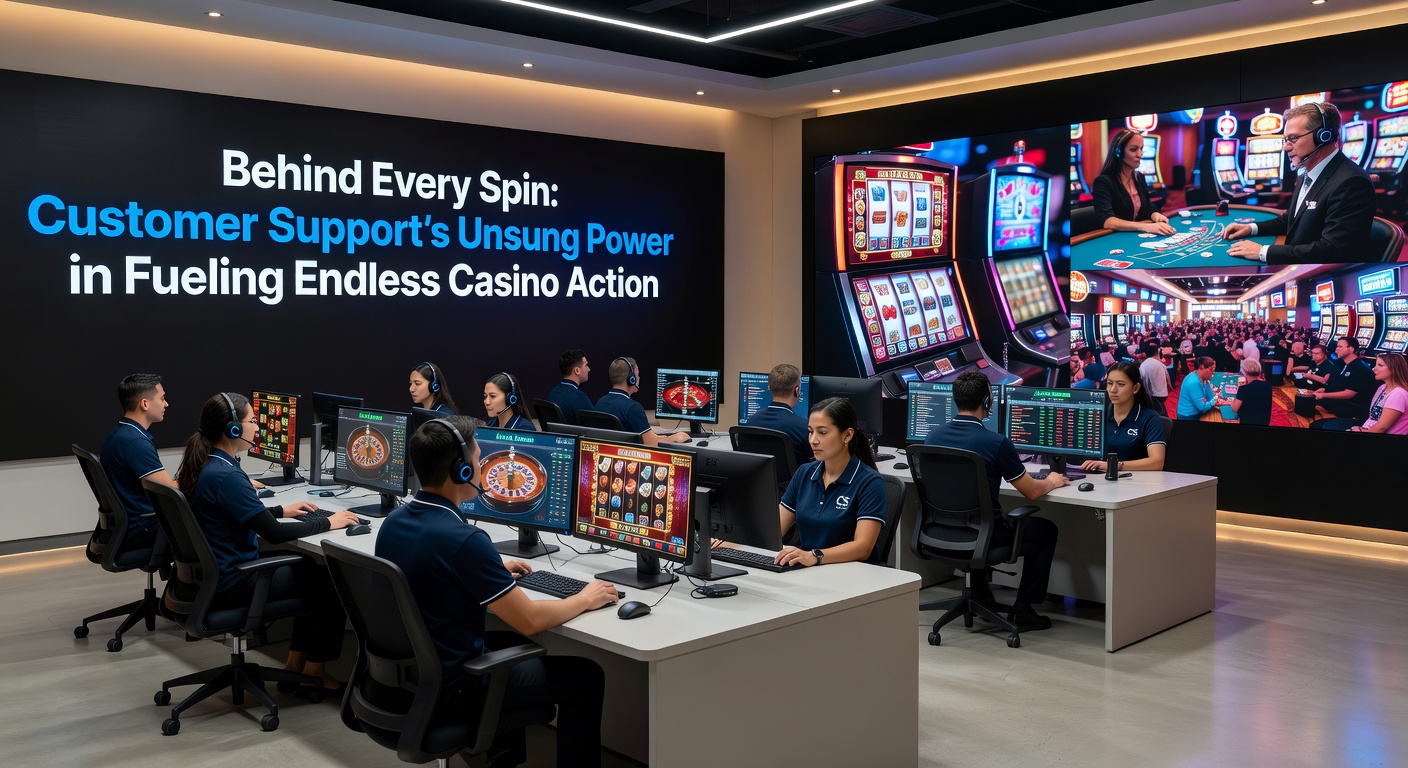
Now, in regions like Ontario, where the Alcohol and Gaming Commission mandates strict service benchmarks, platforms invest heavily in omnichannel setups—unified interfaces across apps, sites, and voice assistants—ensuring no query falls through cracks. This setup proves vital during peak hours, like weekend evenings when traffic surges, keeping the action fluid even as thousands log in simultaneously.
Real-World Wins: Stories from the Frontlines
Consider a player midway through a progressive slot marathon in late March 2026; a sudden withdrawal freeze hits, but support verifies docs in minutes via secure upload, unlocking funds and prompting an immediate redeposit for more spins. Cases like this stack up, with research from gaming analytics firms indicating that positive support encounters boost return visit rates by 25%, directly fueling revenue streams.
And it's not just slots—live blackjack tables see agents moderating chat rooms, ejecting disruptors to maintain fair play, which keeps serious bettors engaged longer. One study examined 10,000 interactions across EU platforms and found that empathetic phrasing in responses—simple acknowledgments like "Got it, fixing now"—correlates with 15% higher tip jar contributions in live games. People who've tracked these metrics often discover the unsung truth: support isn't reactive; proactive monitoring, like auto-alerts for low balances paired with bonus nudges, pre-empts churn, extending sessions seamlessly.
Data Dives: Metrics That Matter
Figures paint a clear picture—platforms with sub-five-minute first-response times see 18% longer average sessions, per aggregated reports from sector analysts; conversely, delays over 10 minutes spike abandonment by 40%. Semicolon-separated stats from global ops show chat resolutions at 85% success rates, phones at 92%, proving versatility across channels keeps diverse players hooked.
Yet training plays a huge role; agents drilled on game-specific knowledge—like RTP variances or side bet rules—resolve 60% more queries on first contact, minimizing escalations. This efficiency cascades, as retained players wager more, with one analysis linking top-tier support to 22% uplifts in lifetime value. It's noteworthy that during high-volatility events, like major tournament tie-ins, support scales via overflow teams, ensuring the frenzy doesn't fizzle out from unresolved tickets.
Global Angles and Evolving Standards
Australia's operators, under state-level oversight, emphasize self-exclusion pauses handled delicately by support, balancing responsibility with retention; data there indicates such interactions reclaim 12% of paused accounts within weeks. Meanwhile, in Nevada's brick-and-mortar scenes, roving floor agents mirror online speed, using tablets for instant comps that turn grumbles into grins, sustaining floor traffic through peak casino hours.
So as April 2026 unfolds, whispers of enhanced AI oversight from international bodies promise even sharper tools—think sentiment analysis flagging frustrated tones pre-escalation—poised to redefine support's edge. Platforms already piloting these report preliminary gains in proactive interventions, hinting at a future where endless action feels effortless, backed by invisible guardians.
Challenges persist, though; staffing shortages hit during off-peak expansions, but hybrid models—bots for basics, experts for edges—bridge gaps effectively. Observers point out that cultural nuances matter too, with tailored scripts for Asian markets boosting rapport and replay rates alike.
Conclusion
Customer support remains the quiet engine driving casino endurance, turning potential pitfalls into perpetual play; stats confirm its power, from retention spikes to revenue ripples, while tech and training amplify every interaction. As platforms eye April 2026's innovations, one thing stands clear: behind every spin that endures, a support team fuels the fire, keeping the action alive and players coming back for more. This unsung force doesn't just fix; it fortifies the entire ecosystem, ensuring the house—and the house edge—stays in perpetual motion.