Mapping Digital Transaction Paths to Amplify Promotional Layers and Loyalty Tiers Amidst Real-Time Dealer Interactions
Sam Krause · Aug 23, 2026
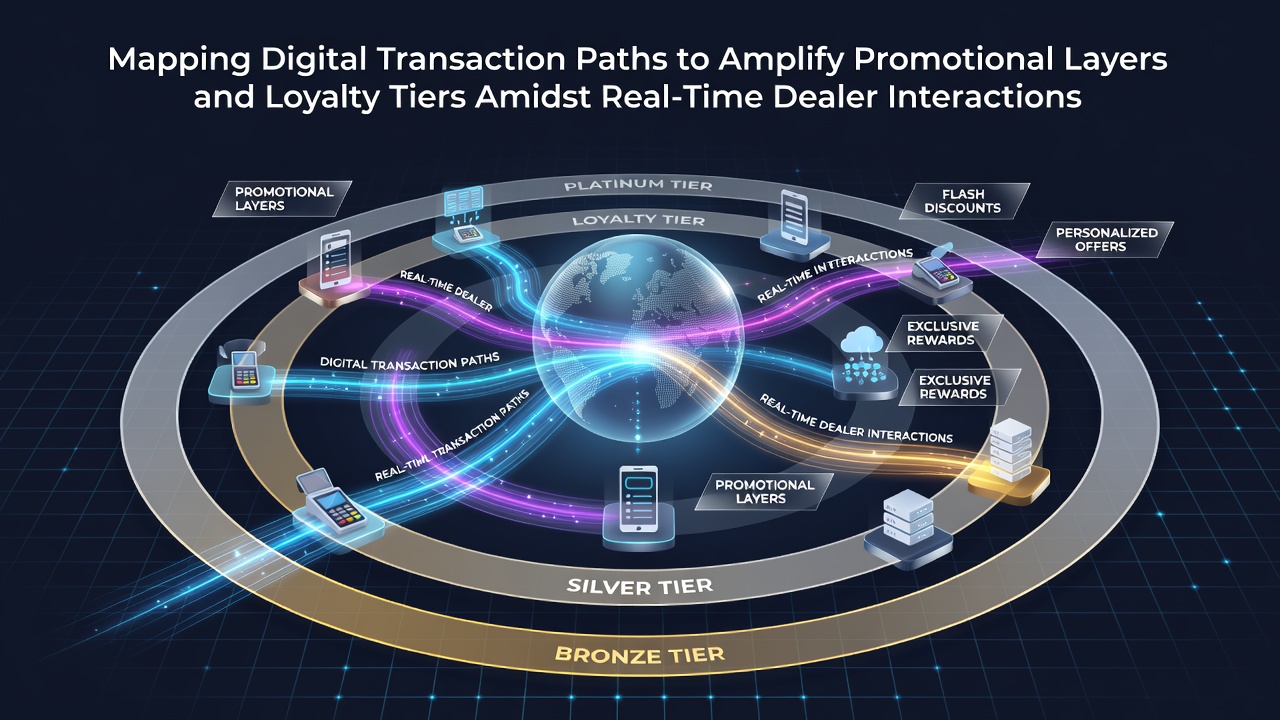
Mapping Digital Transaction Paths to Amplify Promotional Layers and Loyalty Tiers Amidst Real-Time Dealer Interactions
Digital transaction paths in casino platforms form intricate networks that connect player deposits, withdrawals, and in-session spending directly to layered promotional systems and loyalty structures, and these pathways gain particular complexity when real-time dealer interactions enter the equation because live sessions generate continuous data streams that operators track and analyze in August 2026.
Operators map every fund movement from initial deposit through bonus activation and onward to tier progression, which allows them to overlay promotional multipliers at precise moments during dealer-led games such as blackjack or roulette, and this integration relies on backend algorithms that process transaction velocity alongside session duration metrics.
Core Components of Transaction Path Mapping
Transaction mapping begins with the identification of entry points where players fund accounts through various payment rails, and these entry points feed into centralized ledgers that categorize each transfer according to amount, timing, and source, while loyalty engines simultaneously monitor the same flows to assign points that unlock higher tiers. Real-time dealer environments add another dimension because every bet placed during a live stream registers instantly within the transaction ledger, creating opportunities to trigger promotional layers such as instant cashback or free bet credits that appear on screen within seconds of the wager.
Researchers at institutions studying digital gaming economies note that platforms employing granular path mapping achieve tighter synchronization between spend behavior and reward delivery, and data from industry reports indicate that such synchronization correlates with measurable increases in session length across multiple markets. The process incorporates API connections between payment processors, game servers, and loyalty databases, which enables the system to adjust promotional offers dynamically based on whether a player has just completed a high-value transaction or maintained consistent activity over several live dealer rounds.
Integration with Live Dealer Environments
Live dealer interactions introduce variables absent from automated slot play because dealers and players exchange real-time cues that influence betting patterns, and transaction paths must therefore accommodate rapid shifts in wager size triggered by table conversation or dealer encouragement. Systems that map these paths overlay loyalty tier benefits directly onto the live interface, displaying personalized multipliers or tier-specific promotions that activate when cumulative transaction totals reach predefined thresholds during the session.
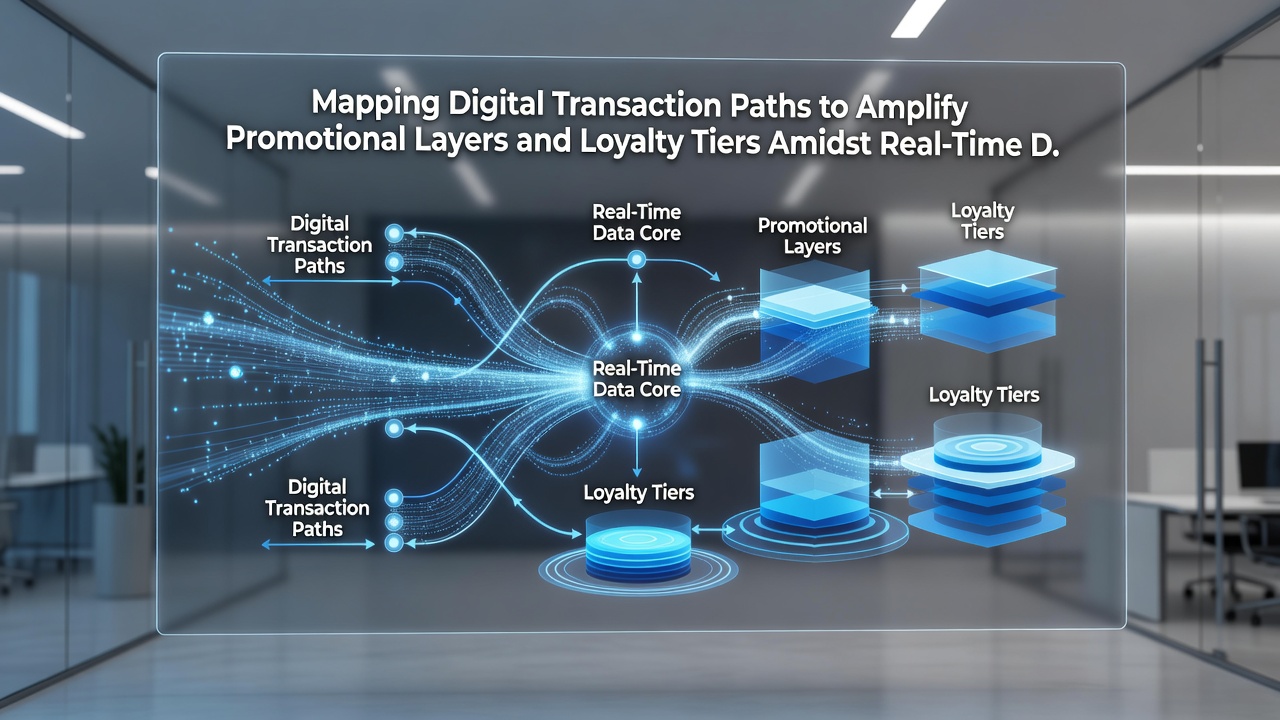
One documented approach involves segmenting transaction paths into micro-stages that align with specific dealer actions, such as the moment cards are dealt or the wheel spins, and operators then attach promotional triggers to those stages so that loyalty points accrue not only from the bet itself but also from engagement metrics captured during the interaction. Figures from gaming technology providers reveal that platforms utilizing this stage-based mapping report higher retention among mid-tier loyalty members who participate frequently in live dealer formats.
Data Flow and Promotional Layer Activation
Data flows through secure pipelines that aggregate transaction records with behavioral signals from live streams, and these combined datasets feed decision engines responsible for activating promotional layers at optimal intervals. Loyalty tier advancement occurs when mapped paths show sustained patterns of deposit frequency coupled with live session participation, and operators configure rules that escalate rewards as players cross into new tiers while still engaged with a dealer. According to analysis published by the American Gaming Association, integrated transaction and loyalty systems reduce latency between spend and reward recognition, which supports continued play without disrupting the flow of dealer-hosted games.
Additional mapping layers track cross-channel movements where players transition from mobile deposits to desktop live sessions, and these transitions trigger promotional adjustments that maintain tier momentum regardless of device. Industry organizations such as the European Gaming and Betting Association have documented similar architectures in reports examining real-time personalization techniques across regulated markets.
Challenges in Real-Time Synchronization
Synchronization challenges arise when transaction volumes spike during peak live dealer hours, and mapping systems must maintain accuracy to prevent promotional layer misfires that could affect player perception of tier benefits. Observers note that platforms investing in redundant data pathways and low-latency processing maintain consistent activation of loyalty perks even under heavy concurrent session loads, and this consistency proves essential for preserving trust in tier progression mechanics.
Payment path diversification also plays a role because players using different funding methods generate distinct transaction signatures that loyalty algorithms must interpret uniformly to award equivalent tier progress, and mapping frameworks incorporate normalization rules that equate various payment types within the same promotional structure.
Conclusion
Mapping digital transaction paths to support promotional layers and loyalty tiers within real-time dealer settings represents an evolving technical discipline that continues to incorporate new data sources and activation triggers as live casino formats expand. The combination of continuous transaction monitoring with live interaction signals enables operators to deliver tier benefits at moments that align closely with player engagement, and ongoing refinements to these mapping processes reflect broader industry movement toward seamless integration of financial activity and reward delivery across global platforms.