Mapping Interactions Between Player Assistance Networks and Tiered Incentive Structures in Mobile Gaming
Ellis Krause · Aug 21, 2026
Mapping Interactions Between Player Assistance Networks and Tiered Incentive Structures in Mobile Gaming
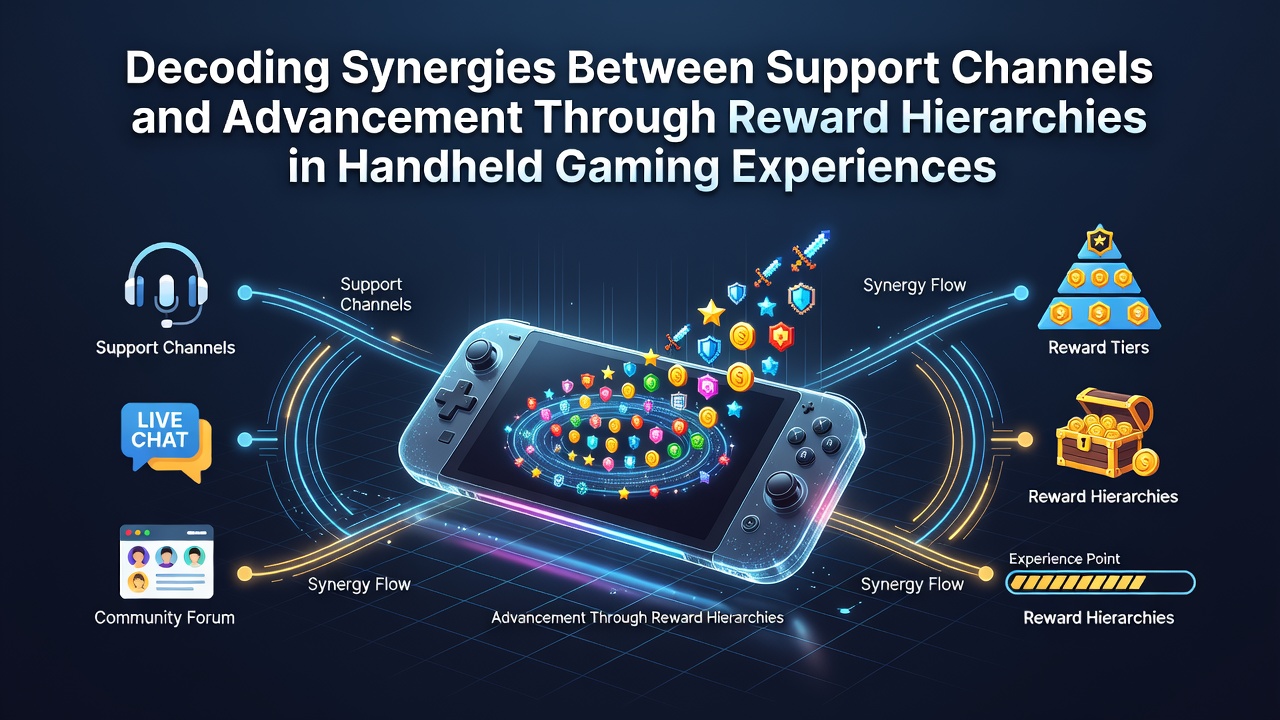
Player assistance networks in handheld gaming combine live chat, email ticketing, in-app messaging, and community forums, while tiered incentive structures track playtime, purchases, and engagement metrics to unlock escalating benefits, and data from multiple platforms shows these systems operate in tandem to shape retention patterns across regions.
Researchers at academic institutions have examined how support response times correlate with progression speed in reward hierarchies, noting that games releasing updates in August 2026 integrated automated ticket routing with loyalty point multipliers, which allowed users to advance tiers faster when queries received same-day resolutions.
Core Components of Support Channels
Support channels in mobile gaming encompass several distinct pathways that developers maintain simultaneously, and each pathway handles different query types ranging from technical troubleshooting to account recovery, whereas reward hierarchies operate through algorithmic tracking of user actions that convert into points or badges. Industry reports from the Entertainment Software Association indicate that North American studios allocate substantial resources to multilingual support teams because player bases span multiple time zones, and this setup reduces downtime that might otherwise stall advancement through reward levels.
Integration Points Between Systems
One study revealed that when support agents access a player's current tier status during interactions, resolution rates improve because agents can reference specific incentives tied to that level, such as bonus daily rewards or exclusive events. European gaming associations have documented similar patterns in titles that launched cross-platform features during 2026, where support logs feed directly into analytics engines that adjust reward thresholds dynamically based on common issues reported by users at each hierarchy stage.
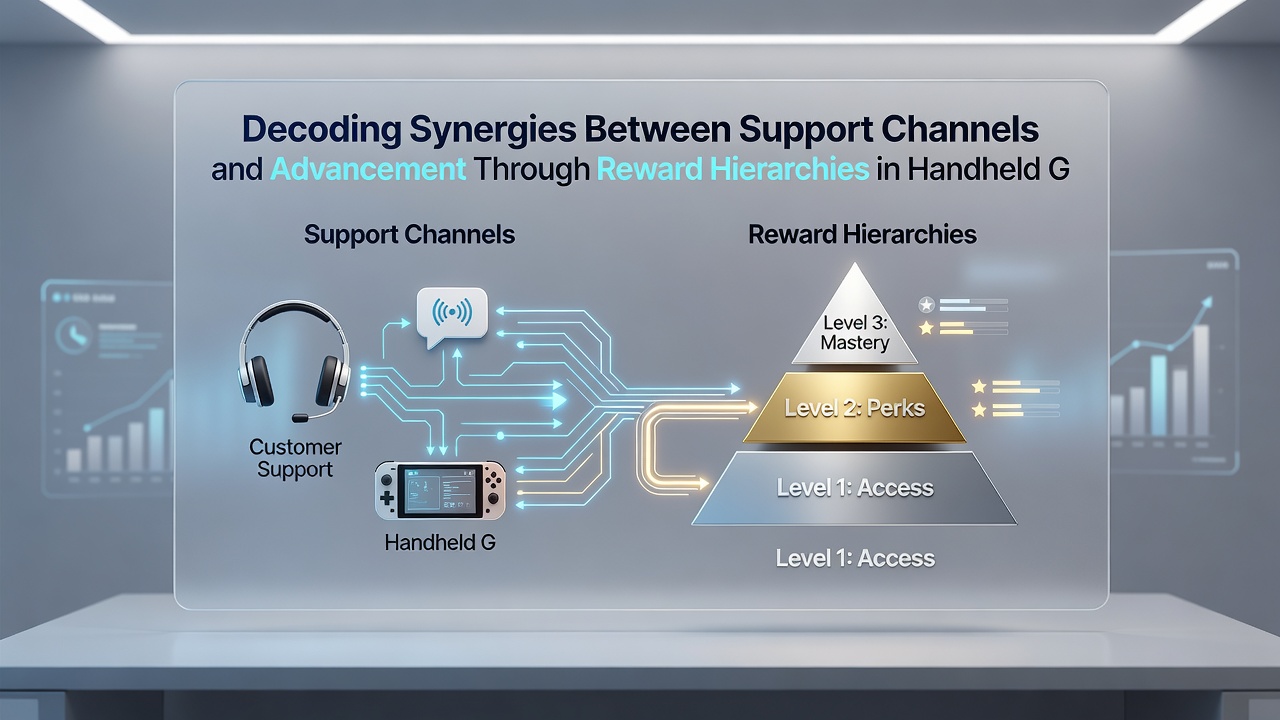
Observers note that handheld gaming applications often embed support buttons within the rewards menu itself, which creates a direct pathway for players to flag problems that block progression, and this design choice appears in several high-download titles tracked by Canadian regulatory bodies overseeing digital entertainment.
Data Patterns Across Platforms
Figures from university-led analyses of mobile gaming behavior demonstrate that users who engage support channels multiple times within a single month show accelerated movement through mid-tier rewards compared with those who never contact support, while the same datasets highlight that high-tier players generate fewer tickets overall because early assistance prevents compounding issues. Australian trade groups have published summaries indicating that August 2026 updates to several popular handheld titles introduced predictive support prompts triggered by reward stagnation signals, which further tightened the connection between assistance and advancement metrics.
Those who've studied this area point out that reward hierarchies now incorporate support interaction history as one of several variables in tier calculations, although the weighting varies by developer, and this practice aligns with broader trends in user experience optimization reported by academic research centers in Asia-Pacific markets.
Case Examples from Major Titles
Take one widely played strategy game that adjusted its support escalation process in mid-2026, after which internal metrics showed players reaching the top reward tier in fewer weeks on average, because unresolved bugs no longer interrupted point accumulation. Another example involves a role-playing title whose developers linked community forum moderators directly to tier advancement logs, enabling proactive outreach that resolved disputes before they affected loyalty status, and similar approaches surface in reports from multiple global gaming organizations.
Conclusion
Evidence from diverse sources confirms that support channels and reward hierarchies in handheld gaming experiences function through overlapping data streams and user pathways, with measurable impacts on engagement duration and tier completion rates across different markets, and ongoing platform updates continue to refine these connections without altering their fundamental structure.