Navigating Protected Transaction Channels That Transform Slot Spins into Tailored Loyalty Benefits on Mobile Live Systems
Ellis Krause · Aug 18, 2026
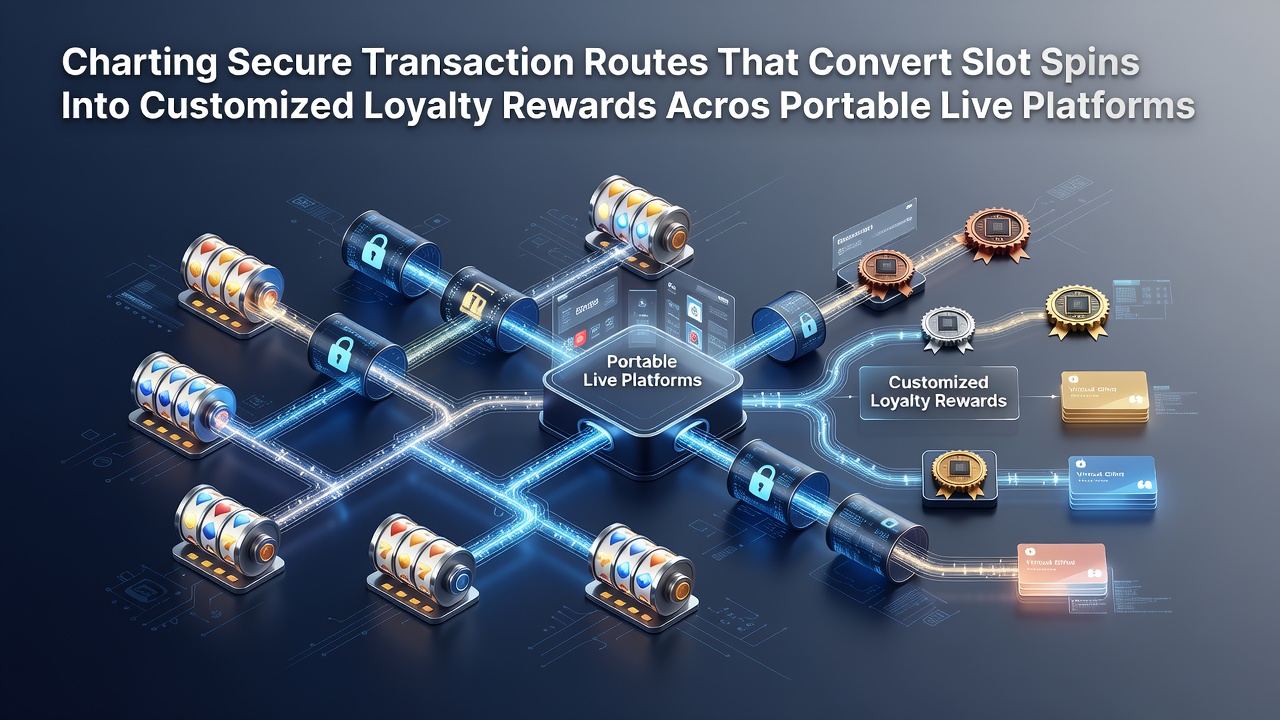
Navigating Protected Transaction Channels That Transform Slot Spins into Tailored Loyalty Benefits on Mobile Live Systems
Transaction systems in mobile live gaming environments route player activity from individual spins through encrypted networks that accumulate points and convert them into customized rewards, and these pathways rely on secure protocols that maintain data integrity across portable platforms while supporting real-time live dealer interactions. Data from industry reports shows that operators implement layered encryption standards to protect each spin's contribution to loyalty balances, and this process connects directly to backend systems that analyze play patterns for personalized offers.
Core Mechanics of Secure Spin-to-Reward Routing
Secure routing begins when a spin registers on a mobile device, at which point the transaction travels through tokenized channels that prevent interception while logging the event for reward calculation, and observers note that this method reduces exposure compared with older direct connections. Researchers at various gaming technology firms have documented how application programming interfaces handle the handoff between game servers and loyalty databases, ensuring that every spin increments player profiles without creating duplicate entries. In August 2026 several platform providers updated their routing frameworks to incorporate quantum-resistant algorithms, and these changes align with broader shifts toward stronger cryptographic protections in digital entertainment sectors.
Live dealer streams add another layer because each interaction must synchronize with the same transaction backbone that manages slot outcomes, whereas traditional slot-only systems operate on simpler loops. Those who've examined mobile casino architectures often find that hybrid platforms merge live video feeds with instant reward triggers, allowing a single spin sequence to feed both immediate bonuses and long-term loyalty tiers through unified secure routes.
Customization Through Data-Driven Allocation
Once spins accumulate, algorithms parse player history to assign rewards that match individual preferences, such as free spins on specific themes or cashback percentages scaled to activity volume, and this customization occurs inside protected environments that isolate personal data from external access. Evidence from technology audits indicates that segmentation models divide users into cohorts based on spin frequency and bet size, after which tailored incentives route back to the mobile interface without requiring additional player input. Industry organizations like the European Gaming and Betting Association have published guidelines on ethical data use in these systems, and those documents emphasize transparency in how loyalty points convert into usable benefits.
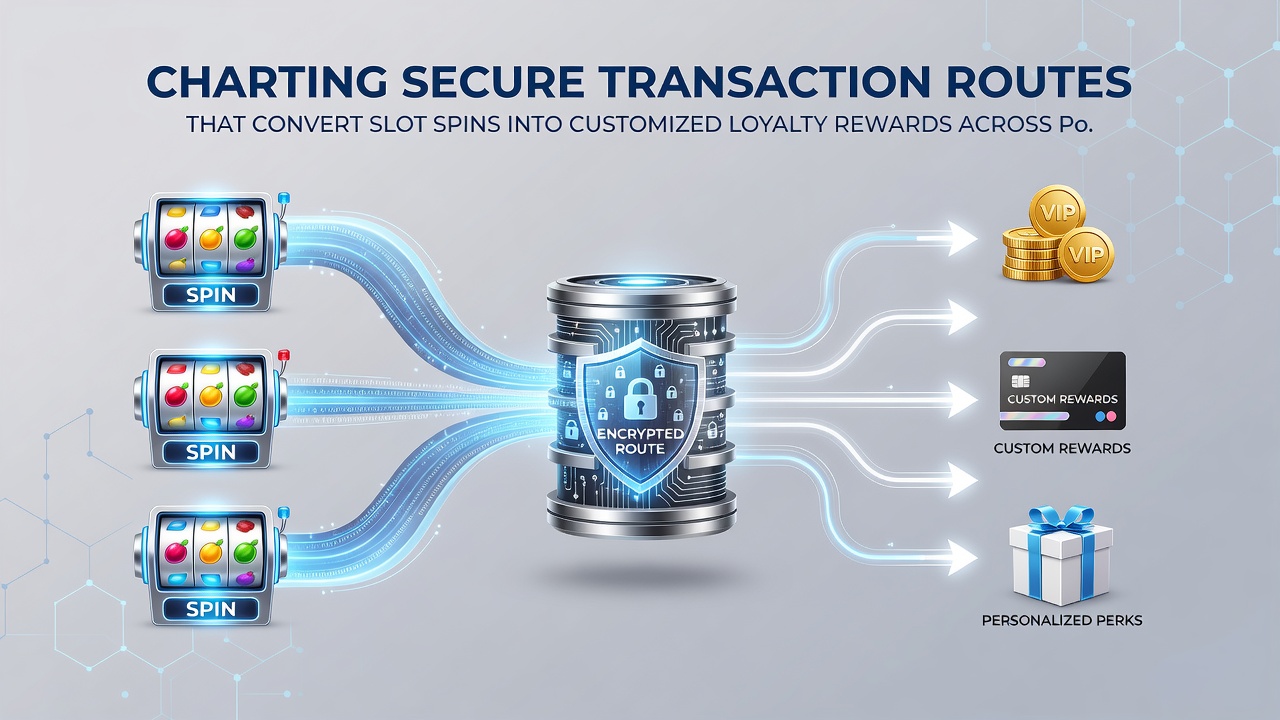
Portable live platforms further refine this process by adapting reward delivery to device capabilities, so tablets might receive higher-resolution bonus graphics while phones get streamlined notifications that still maintain full security standards. What's interesting is how cross-device continuity ensures that a player who switches from phone to tablet mid-session retains the same loyalty progress without interruption, and this seamless handoff depends on cloud-based synchronization protected by end-to-end encryption.
Regulatory and Technical Safeguards Across Regions
Regulatory bodies outside the United Kingdom have introduced requirements for transaction auditing in mobile gambling, and the Malta Gaming Authority, for instance, mandates regular penetration testing of reward routing systems to verify that loyalty conversions cannot be manipulated. Canadian provincial regulators have similarly focused on data localization rules that keep player reward histories within national borders, and these measures complement technical solutions such as multi-factor authentication at each conversion checkpoint. Academic studies from institutions examining digital payment flows have highlighted how blockchain elements can add immutable records of spin-to-reward movements, although adoption remains gradual due to integration costs with existing live dealer infrastructure.
Payment gateways integrated into these routes support multiple methods including digital wallets and bank transfers, each of which feeds into the same loyalty engine while preserving separation between financial details and gameplay data. Observers note that this separation helps maintain compliance with privacy statutes across different jurisdictions, and it also supports faster reward redemption times because the system processes loyalty points independently of raw monetary transactions.
Conclusion
Overall the infrastructure that charts secure transaction routes from slot spins to customized loyalty rewards continues to evolve through coordinated updates in encryption, data segmentation, and regional oversight, and portable live platforms stand to benefit as these elements mature. Reports from the American Gaming Association indicate steady growth in mobile reward program participation, while technical papers detail ongoing refinements that keep conversion pathways both efficient and protected. As August 2026 approaches, further protocol enhancements are expected to streamline these routes even more without compromising the security standards already in place.