Navigating Reward Ecosystems: How Tiered Incentives Align Payment Options with Live Table Dynamics and Strategic Play Patterns
Carlo Friedrich · Aug 23, 2026
Navigating Reward Ecosystems: How Tiered Incentives Align Payment Options with Live Table Dynamics and Strategic Play Patterns
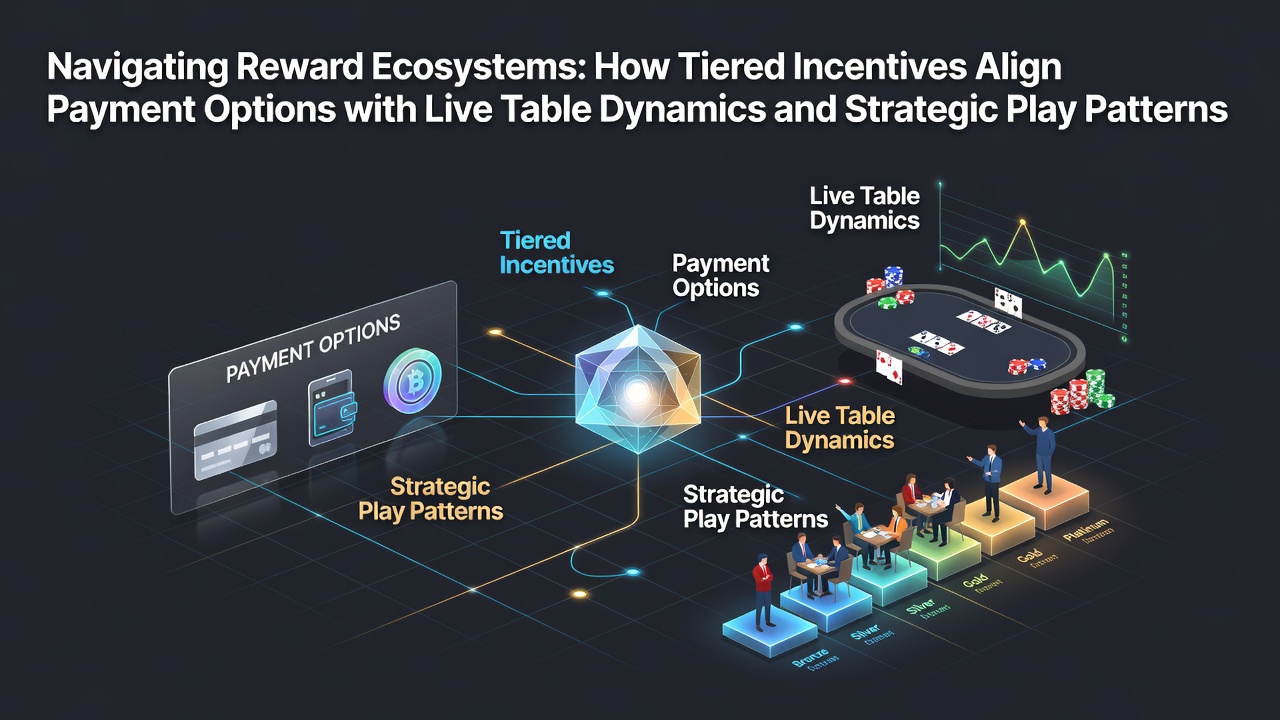
Operators structure reward ecosystems around tiered loyalty programs that link player status levels to specific payment methods and live table behaviors, creating measurable pathways from initial deposits to advanced strategic participation. Data from industry reports shows these systems track transaction speeds, bet volumes, and game selections to assign points that unlock escalating benefits such as cashback percentages, exclusive table access, and personalized multipliers. In August 2026 several platforms expanded these alignments by integrating real-time analytics that adjust incentive offers based on live dealer session patterns across multiple regions.
Core Mechanics of Tiered Structures
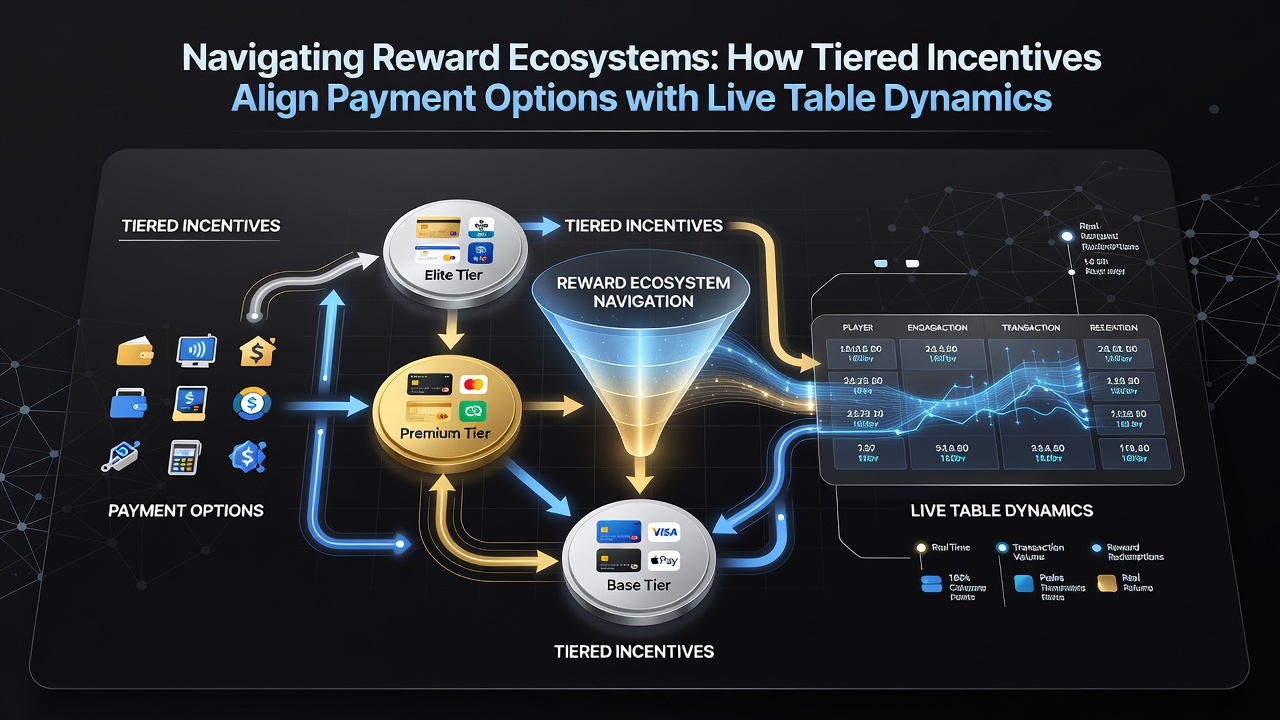
Entry-level tiers typically require modest deposit activity through standard cards or bank transfers, while mid and upper tiers reward faster options like e-wallets or instant bank apps with accelerated point accrual rates. Observers note that higher tiers grant reduced withdrawal times and elevated table limits, which in turn influence how players approach roulette wheel sequences or blackjack hand decisions. Research from the National Council on Problem Gambling indicates these mechanics operate through algorithmic thresholds that reset monthly, encouraging consistent use of approved payment rails to maintain status.
Payment Alignment with Table Dynamics
Live table environments respond directly to incentive design because dealers and systems register bet timing alongside payment source data. When platforms offer bonus multipliers for deposits completed via mobile wallets before a session starts, players often shift toward higher-stake side bets or progressive jackpots attached to the main game. Figures from the European Gaming and Betting Association reveal that such pairings increased average session duration by measurable margins in monitored markets during 2025, with similar trends projected through late 2026.
Strategic patterns emerge when reward tiers cap point earnings on low-volatility bets but double rewards on specific wager types, prompting participants to adjust hit-and-stand choices in blackjack or placement frequencies on roulette layouts. One documented case involved operators in regulated North American jurisdictions where tier advancement required documented use of instant funding methods during peak evening hours, resulting in altered bankroll pacing across extended play periods.
Strategic Play Patterns Shaped by Incentives
Players who reach elite tiers frequently adopt risk-calibrated approaches that maximize point velocity while managing variance, such as combining minimum table minimums with occasional high-payout side bets funded through pre-approved rapid payment channels. Data compiled by university-led studies at institutions tracking gambling behavior demonstrate correlations between tier status and preference for games offering both skill elements and frequent reward triggers. These patterns hold across time zones because systems log every transaction and outcome in centralized databases that feed automated perk distribution.
Additional layers appear when seasonal promotions in August 2026 tie extra loyalty points to specific payment volumes executed during live streamed events, pushing participants to time their funding decisions with table opening schedules. Industry analysts at the Responsible Gambling Council have recorded corresponding shifts in average bet sizing as players chase tier milestones without exceeding personal thresholds set by platform tools.
Regional Implementation Variations
Markets outside the United Kingdom apply similar frameworks with distinct regulatory overlays, such as Canadian provincial systems that require transparent disclosure of how payment speed affects point multipliers at baccarat and poker tables. Australian state regulators similarly mandate reporting on incentive structures that connect digital wallet usage to live dealer progression rates. These variations produce comparable outcomes: tier advancement consistently correlates with increased adoption of faster funding methods and more deliberate selection of table games offering layered reward opportunities.
Conclusion
Tiered reward ecosystems continue to evolve through direct connections between payment velocity, live table participation metrics, and strategic decision frameworks. Platforms refine these linkages using aggregated session data that highlight which incentive combinations sustain longer engagement across diverse player segments. As August 2026 developments illustrate ongoing integration of analytics tools, the alignment between funding options and table dynamics remains a central operational focus for operators seeking measurable retention results.