Payment Pathways Driving Strategic Evolutions in Live Dealer Mobile Platforms
Ellis Krause · Sep 2, 2026
Payment Pathways Driving Strategic Evolutions in Live Dealer Mobile Platforms
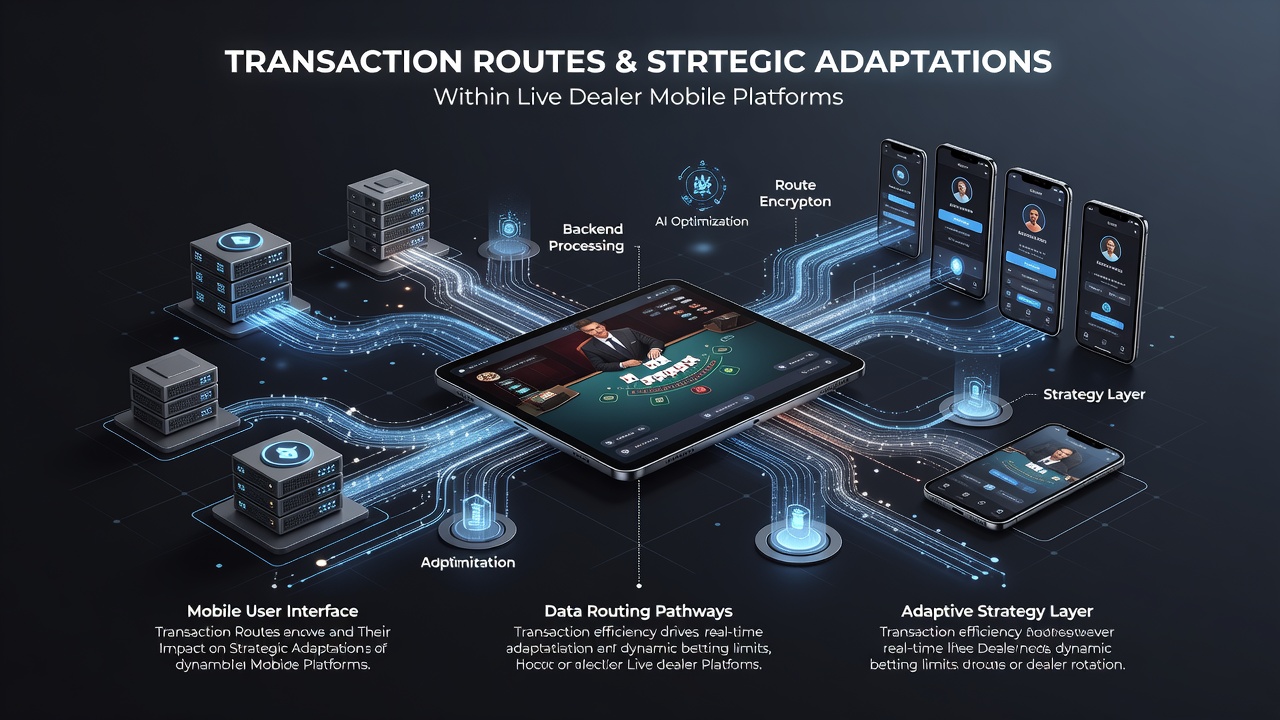
Transaction routes in mobile live dealer platforms refer to the specific payment channels and processing paths that connect player accounts to game servers, and these routes have shaped how operators adjust their systems for real-time play across devices. Data from industry reports shows that direct bank transfers and digital wallet integrations now account for over 60 percent of deposits in mobile environments, which allows platforms to synchronize funds instantly with live table actions such as blackjack or baccarat streams. Observers note that this synchronization reduces latency between funding and betting, enabling players to maintain momentum during dealer interactions without interruption.
Core Types of Transaction Routes in Mobile Live Dealer Settings
Operators utilize several established routes including traditional card processors, e-wallet services, and bank-to-bank links, while each route carries distinct processing speeds and verification layers that influence how mobile applications manage session continuity. Research indicates that e-wallet routes often complete authorizations in under three seconds, whereas card-based paths may extend to eight or nine seconds depending on issuer protocols. Those who design these platforms adapt by routing high-volume transactions through faster channels during peak hours, which maintains table flow and prevents player drop-off when live dealer rounds advance rapidly.
Adaptations in Bonus Structures Tied to Route Performance
Live dealer platforms have adjusted bonus eligibility criteria based on the reliability of incoming transaction routes, with some operators now tying match bonuses to deposits that arrive via verified instant paths. Figures from market analyses reveal that platforms using multi-route redundancy experience 22 percent fewer failed deposit attempts during live sessions, prompting developers to embed route-selection prompts directly into the mobile interface. Players frequently encounter options that prioritize routes with lower failure rates, which in turn supports sustained bankroll management across extended dealer sequences.
Strategic Player Adjustments Enabled by Route Efficiency
Real-time funding via optimized transaction routes permits players to recalibrate bet sizes mid-session without exiting the live dealer view, a shift documented in behavioral studies from North American markets. One analysis conducted by researchers at the University of Nevada found that participants using instant routes increased average bet frequency by 18 percent compared to those relying on slower verification methods. Platforms respond by integrating predictive analytics that flag optimal route selections, helping users avoid delays that could interrupt strategic sequences in games like live roulette.

According to data compiled by the Nevada Gaming Control Board, transaction route diversification has contributed to a measurable rise in session lengths on mobile devices since early 2025. Operators apply these insights to refine their mobile applications, embedding route-switching capabilities that activate automatically when primary paths experience congestion. This approach keeps live dealer streams uninterrupted and aligns funding mechanics with teh fast pace of real-time card dealing.
Regulatory Influences on Route Development Across Regions
Authorities in multiple jurisdictions have introduced guidelines that affect how transaction routes integrate with mobile live dealer systems, with emphasis on verification timelines and fraud detection layers. In September 2026, updates from the Australian Communications and Media Authority highlighted requirements for route transparency, prompting several international platforms to display processing estimates before players confirm deposits. These changes encourage operators to maintain parallel routes that comply with varying regional standards, ensuring mobile users can access live tables regardless of their location.
Industry organizations such as the European Gaming and Betting Association have published findings showing that compliant route architectures reduce compliance incidents by approximately 15 percent in cross-border mobile deployments. Developers incorporate these standards into application updates, allowing seamless adaptation when new verification rules emerge. Those managing live dealer environments therefore prioritize route flexibility to meet both player expectations and oversight demands without compromising stream quality.
Case Examples of Platform-Level Strategic Shifts
One documented instance involves a major mobile operator that reconfigured its transaction routing logic after observing higher abandonment rates on routes with extended hold periods. The adjustment led to a 31 percent improvement in deposit completion during live dealer events, according to internal metrics shared with trade publications. Another example from Canadian markets demonstrates how platforms began offering route-specific loyalty rewards, directing users toward paths that support faster reconciliation and thereby extending average play duration in baccarat and blackjack streams.
Research institutions tracking these developments note that route optimization correlates strongly with retention metrics across mobile live dealer titles. Platforms that monitor route performance in real time can deploy targeted updates, such as temporary boosts to deposit limits on high-performing channels, which sustains engagement during promotional periods.
Future Trajectory for Route Integration and Strategy Refinement
Emerging technologies such as blockchain-based verification continue to influence transaction route design, offering potential reductions in processing overhead while maintaining audit trails required by oversight bodies. Observers expect further consolidation of route options within mobile applications, allowing live dealer platforms to present unified funding interfaces that adapt dynamically to network conditions and regulatory shifts. Data from the Responsible Gambling Council of Canada suggests these integrations may support more granular player controls, including route-specific spending caps that align with responsible play frameworks.
Conclusion
Transaction routes serve as foundational elements that shape both operational and user-level strategies within live dealer mobile platforms, with ongoing refinements driven by performance data and regional requirements. As platforms continue to align payment pathways with the demands of real-time dealer interactions, measurable shifts in session dynamics and adaptation patterns become evident across global markets. Continued monitoring of route efficiency remains central to sustaining mobile live dealer ecosystems through 2026 and beyond.