Payment Pathways Enhancing Reel Spins and Live Dealer Experiences
Sam Krause · Jun 30, 2026
Payment Pathways Enhancing Reel Spins and Live Dealer Experiences
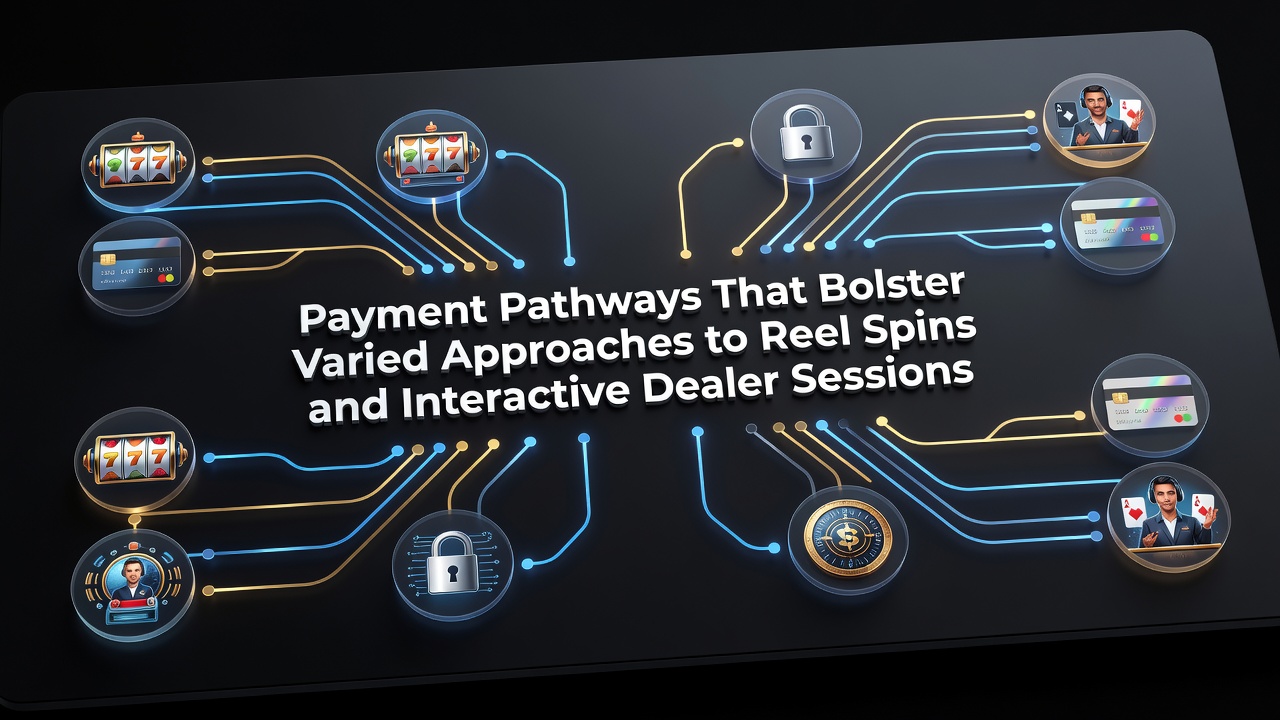
Payment pathways have evolved to support multiple playing styles across reel spins and interactive dealer sessions, with options ranging from instant transfers to scheduled bank settlements that align with different risk levels and session lengths. Research from the European Gaming and Betting Association shows transaction speed and fee structures directly influence how players approach both slots and live tables, allowing adjustments in bet sizing without delays that disrupt momentum.
Core Payment Categories and Their Operational Features
Traditional bank transfers remain common for larger sums, yet they often require 1 to 3 business days for processing, which suits players who prefer planned deposits tied to monthly budgets rather than spontaneous adjustments during a session. E-wallets such as Skrill and Neteller provide near-instant funding and withdrawals in many jurisdictions, enabling quick responses to changing table minimums or slot volatility spikes without waiting periods that could interrupt live dealer interactions.
Cryptocurrency options including Bitcoin and Ethereum have gained traction because blockchain confirmations typically complete within minutes, giving users flexibility to scale bets rapidly when pursuing progressive jackpots on reels or adjusting stakes mid-round at blackjack tables. Data released in June 2026 by the Nevada Gaming Control Board indicated a 28 percent rise in crypto-based deposits compared with the prior year, reflecting broader acceptance among operators serving international markets.
Supporting Varied Slot Strategies Through Flexible Funding
Reel-based games benefit from payment methods that accommodate both small, frequent deposits for extended low-stakes sessions and larger lump sums for high-volatility titles. Players often select e-wallet solutions when chasing bonus rounds because these platforms permit micro-transfers that match incremental bet increases without incurring repeated card fees. Industry reports note that operators integrating multiple payment rails see higher session durations among users who rotate between penny slots and higher-denomination machines within the same visit.
Scheduled bank withdrawals allow participants to lock in winnings at set intervals, which aligns with disciplined bankroll management approaches common in progressive slot play. This structure reduces the temptation to reinvest immediately after a payout, a pattern observed across multiple operator datasets.
Facilitating Live Dealer Session Adjustments
Interactive dealer games demand payment pathways that handle real-time decisions such as doubling down or switching tables when limits change. Instant deposit options via digital wallets let participants top up balances during a single shoe of cards or a roulette cycle, maintaining continuity without exiting the stream. Observers note that platforms offering same-minute processing report fewer abandoned sessions compared with those limited to slower card or wire methods.
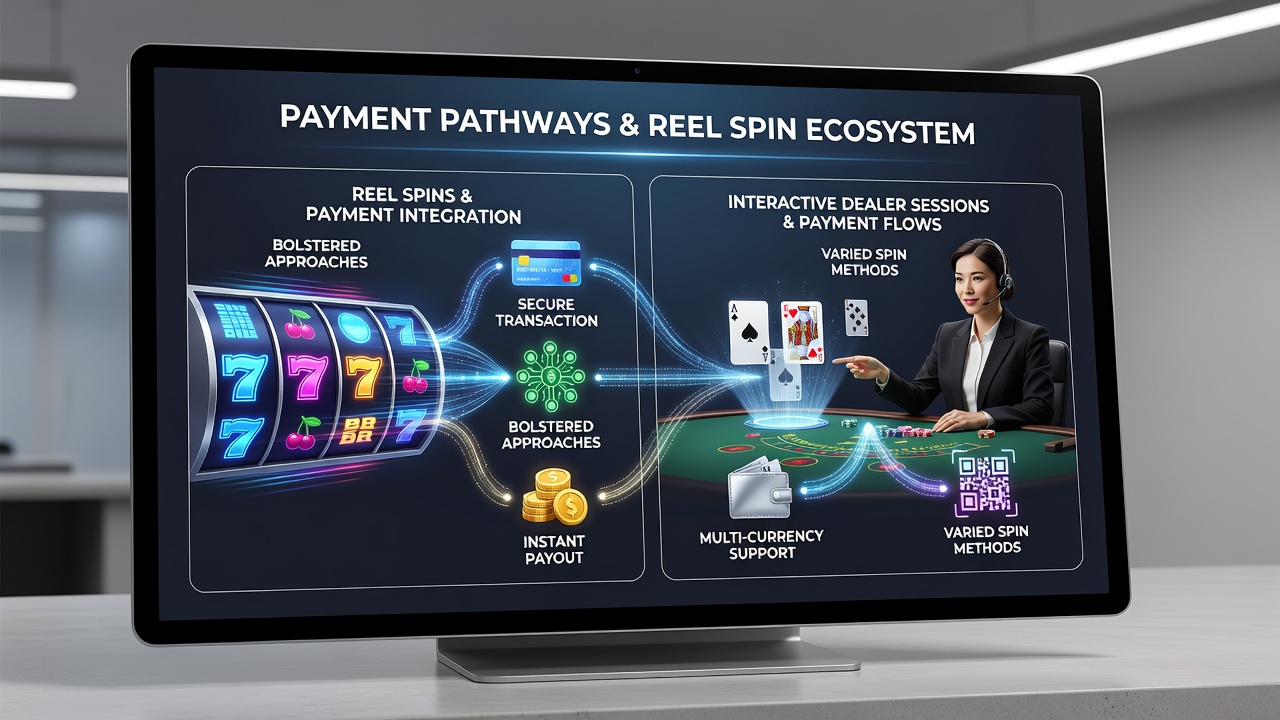
High-limit live rooms frequently accept cryptocurrency because transaction anonymity and speed suit players who move substantial amounts between tables. Figures from the Canadian Gaming Association reveal that sites combining crypto rails with traditional options retain more users who alternate between low-stakes roulette streams and premium blackjack tables within one evening.
Regional Regulatory Influences on Payment Availability
Regulators in various markets shape which pathways operators can promote. Australian authorities, through the Australian Communications and Media Authority, require clear disclosure of processing times for all deposit methods, prompting many platforms to highlight e-wallet and crypto options that meet those transparency standards. In the United States, state-level frameworks in New Jersey and Pennsylvania similarly encourage diversified funding tools to meet consumer protection guidelines while supporting responsible play features.
These requirements have led operators to partner with multiple processors, creating layered systems where players select pathways based on session type. Slots enthusiasts may favor prepaid vouchers for capped spending, while live dealer participants often choose recurring transfer setups that match table minimum fluctuations.
Integration Trends and Future Infrastructure
Payment gateways now incorporate API connections that update balances across slots and live streams within seconds of confirmation. This technical linkage supports strategies that shift between automated reel play and manual live betting without balance discrepancies. Trade publications document rising adoption of open-banking protocols in Europe, which allow direct account-to-account transfers that bypass card networks entirely for both deposit and withdrawal phases.
Operators that maintain broad payment portfolios report improved user retention metrics, particularly among those who engage with both game categories during a single login. The infrastructure continues to expand as new digital asset networks and faster settlement rails become licensed in additional territories.
Conclusion
Payment pathways continue to adapt to the distinct pacing and decision points found in reel spins versus interactive dealer sessions. Multiple categories now coexist within single platforms, giving users tools to match funding speed and cost with their chosen approach. Data from regulatory bodies and industry associations confirm that diversified options correlate with sustained engagement across game types, while ongoing infrastructure developments point toward even tighter integration between payment processing and real-time gameplay adjustments.