Portable Access, Live Engagements, and Reward Tiers Converge in Digital Gaming Platforms
Carlo Friedrich · Oct 14, 2026
Portable Access, Live Engagements, and Reward Tiers Converge in Digital Gaming Platforms
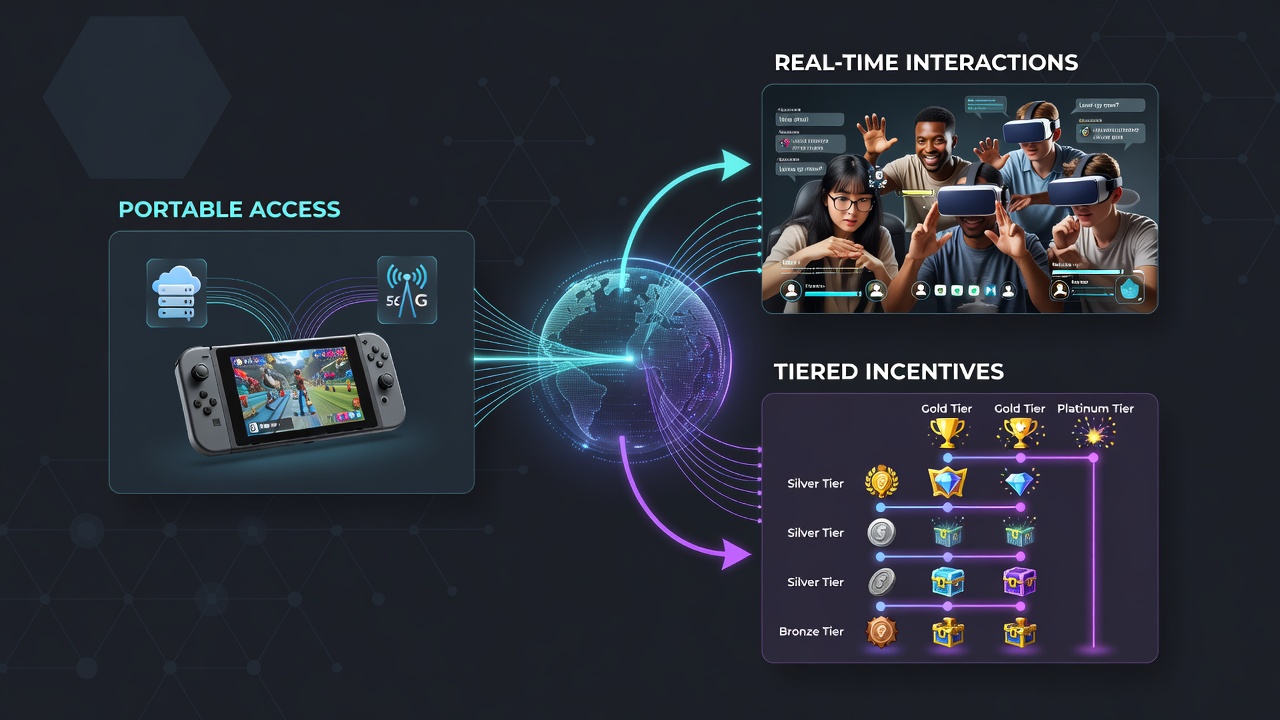
Digital gaming platforms continue to integrate portable access with real-time interactions and tiered incentives, creating ecosystems where players move between devices while engaging in live sessions and progressing through reward structures. Data from industry reports shows that mobile sessions now account for over 60 percent of total gaming activity in major markets as of October 2026, while platforms simultaneously expand live dealer options and loyalty frameworks that adjust benefits based on play volume and tenure.
Portable Access Expands Reach Across Devices
Portable access allows users to connect from smartphones, tablets, and other mobile hardware without losing session continuity, and operators have responded by optimizing interfaces for smaller screens while maintaining full functionality for games and account management. Research from the Australian Gambling Research Centre indicates that seamless cross-device transitions increased average session lengths by 22 percent between 2024 and 2026, because players start on desktops then continue on mobiles during commutes or breaks. Gaming associations note that this flexibility supports higher retention rates when combined with features that preserve game state and progress across platforms.
Developers implement responsive designs that scale elements automatically, ensuring that controls for betting, chatting, and viewing live streams remain accessible regardless of screen size. Figures from European gaming trade groups reveal that apps supporting both iOS and Android captured 78 percent of new user registrations in the first half of 2026, underscoring the priority placed on broad device compatibility.
Real-Time Interactions Drive Engagement Layers
Real-time interactions introduce live dealer tables, instant chat functions, and synchronized multiplayer events that mirror physical casino dynamics within digital environments. Platforms stream video feeds at 1080p resolution or higher, and participants place bets while exchanging messages with dealers and other players in the same virtual room. Studies conducted by university researchers in Canada found that sessions incorporating live elements retained users 35 percent longer than those limited to automated games, because the social component adds unpredictability and immediate feedback loops.
Operators synchronize these features with backend systems that update odds and payouts without delay, which keeps the experience fluid even during peak traffic periods. Observers note that integration of real-time data streams also enables dynamic adjustments to game speed and table limits based on player activity patterns recorded across the network.
Tiered Incentives Align With Player Progression
Tiered incentives organize rewards into levels that unlock additional benefits such as cashback percentages, exclusive event access, and personalized support as cumulative play increases. Systems track metrics including total wagers, frequency of visits, and game variety, then assign status points that determine the tier. Industry reports compiled by the Nevada Gaming Control Board show that players reaching mid-tier status increased monthly deposits by an average of 41 percent compared with base-level accounts during the 2025 fiscal year.
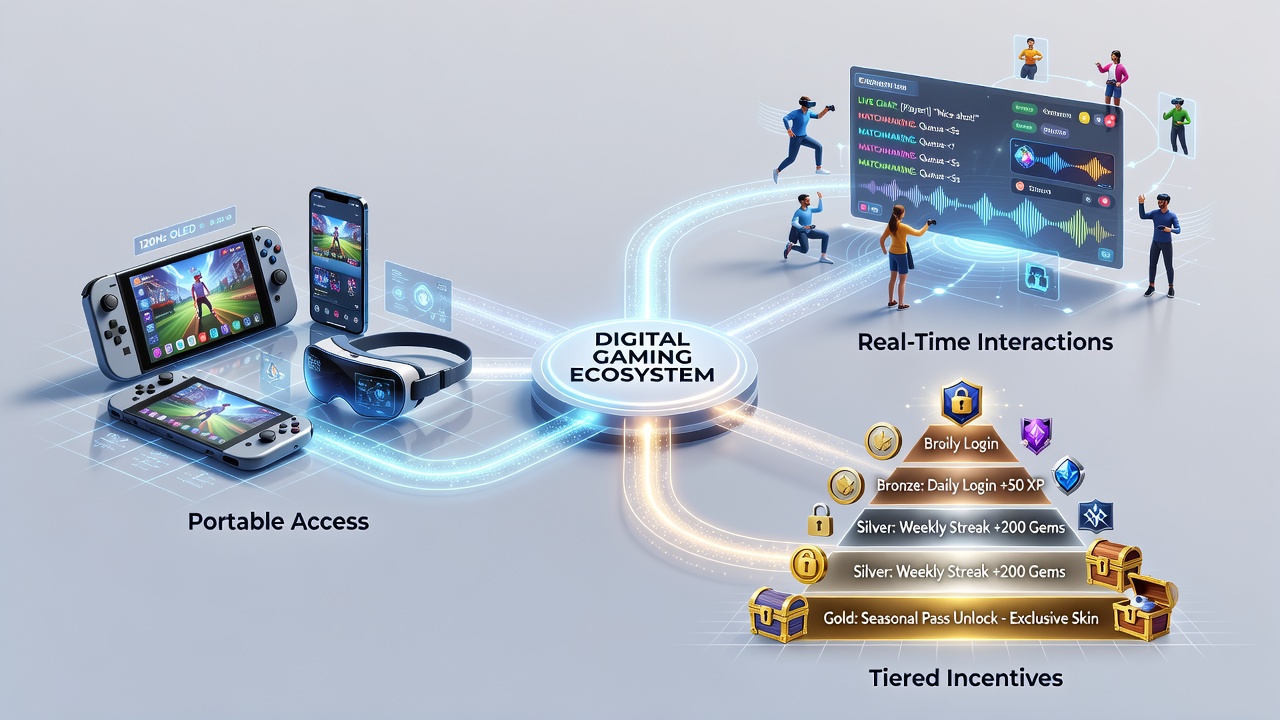
Each tier delivers graduated perks that scale with activity, and platforms communicate progress through dashboards that display remaining requirements for the next level. Those who have analyzed loyalty data across multiple operators observe that clear milestone visibility correlates with sustained participation, because users receive tangible recognition for continued engagement without abrupt changes in benefit structure.
Combined Effects Emerge When Elements Intersect
When portable access, real-time interactions, and tiered incentives operate together, platforms create pathways where mobile users participate in live sessions and accumulate status points simultaneously. A player might join a live blackjack table via smartphone, receive instant notifications about tier advancement, and unlock mobile-specific bonuses that apply only during real-time play. Data compiled by gaming research institutions indicates that ecosystems offering all three elements recorded a 29 percent rise in cross-platform session frequency throughout 2026, because each component reinforces the others through immediate feedback and visible progression.
Backend algorithms coordinate these features by updating tier status in real time during live sessions and delivering portable notifications that prompt users to return during active events. Trade organizations report that such coordination reduces drop-off rates between initial registration and first tier advancement, since players encounter consistent reward opportunities regardless of device or timing.
Technical Infrastructure Supports the Integration
Cloud-based servers handle the computational load required to maintain live streams and process tier calculations across thousands of concurrent mobile connections. Latency remains below 150 milliseconds in optimized networks, which preserves the responsiveness needed for both betting actions and chat exchanges. Engineers at major platform providers have documented that redundant data centers in multiple regions prevent interruptions when users switch between networks or locations.
Security protocols encrypt transaction and identity data while allowing tier tracking systems to pull verified activity records without exposing sensitive details. Compliance frameworks in various jurisdictions require regular audits of these systems to confirm that incentive calculations remain accurate and transparent to participants.
Conclusion
Portable access, real-time interactions, and tiered incentives continue to intersect within digital gaming ecosystems through coordinated platform design and supporting infrastructure. Metrics gathered across multiple regions demonstrate measurable impacts on session duration, retention, and deposit patterns when these elements function together. Operators maintain these intersections through ongoing technical refinements and data-driven adjustments that align mobile capabilities with live engagement tools and progressive reward structures.