Portable Gaming Shifts: Support Teams Driving Better Bonus Use and Loyalty Growth
Ulrich Krause · Aug 16, 2026
Portable Gaming Shifts: Support Teams Driving Better Bonus Use and Loyalty Growth
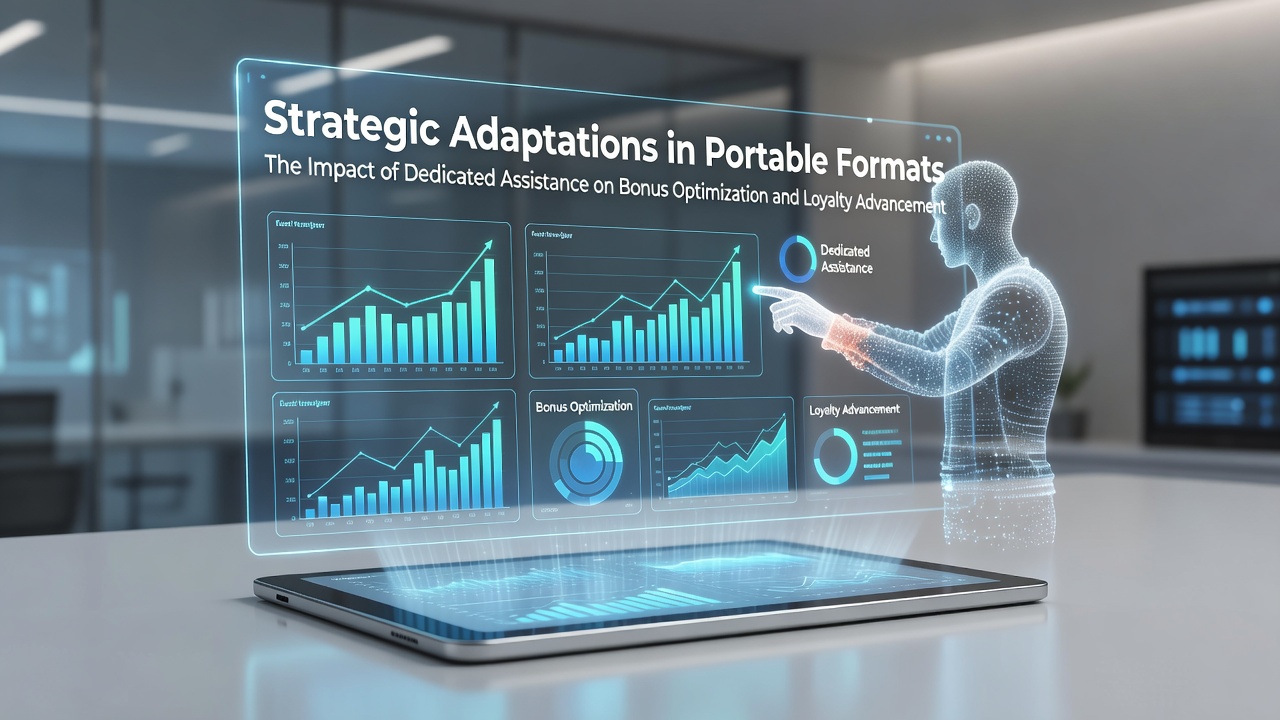
Portable formats have reshaped how players interact with casino platforms, with operators adapting interfaces and tools specifically for smaller screens and on-the-go access. Research from industry reports shows mobile sessions now account for the majority of activity in several markets, prompting developers to streamline navigation, payment flows, and reward systems to fit compact displays. Dedicated assistance plays a direct role in these adaptations, helping users navigate bonus structures that might otherwise remain underutilized due to interface limitations or timing constraints.
Platform Adjustments for Mobile Environments
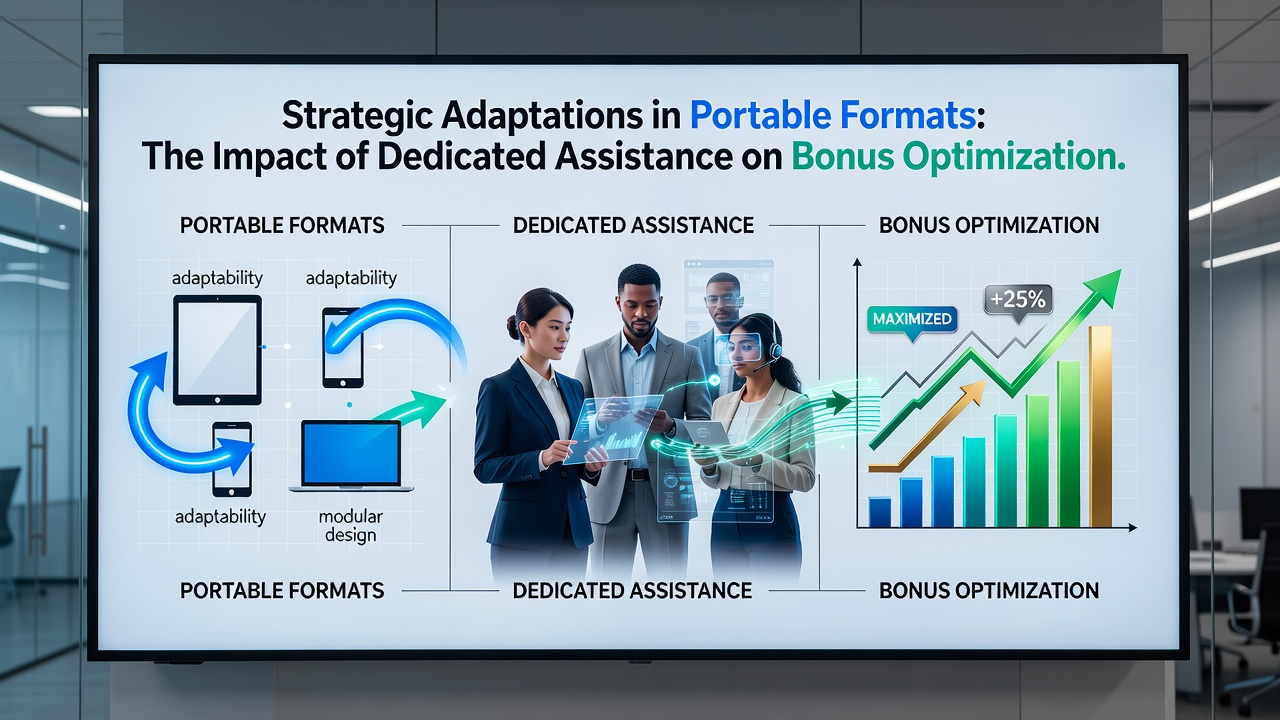
Operators have implemented responsive designs that adjust button placement, menu depth, and notification timing to match mobile usage patterns. These changes emerged as data collection revealed higher drop-off rates during bonus activation on handheld devices compared with desktop versions. Support staff trained in portable-specific workflows guide players through steps such as linking wallets, confirming eligibility, and sequencing multiple promotions without triggering unintended resets. According to figures from the American Gaming Association, mobile bonus redemptions increased 28 percent in regions where operators expanded dedicated chat and in-app messaging support during peak hours.
Role of Dedicated Assistance in Bonus Handling
Customer support teams now maintain specialized knowledge bases covering mobile-exclusive promotions, including time-sensitive reloads and device-linked free spins. When players encounter errors during code entry or eligibility verification, representatives can reference transaction logs in real time to resolve issues before bonuses expire. This direct intervention reduces the number of unclaimed offers that previously lapsed due to technical friction rather than player disinterest. Observers note that support interactions frequently include explanations of wagering requirements tailored to mobile play sessions, where session length tends to be shorter but more frequent than traditional desktop sessions.
Loyalty Program Navigation on Portable Devices
Loyalty advancement depends on consistent tracking of play across devices, yet mobile interfaces sometimes obscure point accumulation details or tier progress bars. Support personnel assist by pulling detailed activity summaries and clarifying how specific games contribute to different loyalty categories. In one documented case from a North American operator, players who contacted support within 24 hours of a tier threshold received guidance on completing the final requirements through available mobile titles, resulting in faster advancement without additional deposits. Data indicates that such targeted assistance correlates with higher retention rates among loyalty members who primarily access accounts via smartphones.
Integration of Support Tools with Mobile Analytics
Modern platforms combine player data analytics with support ticketing systems, allowing representatives to anticipate common mobile-related queries before they arise. For example, push notifications about expiring bonuses can be followed up by proactive outreach if the system detects the offer remains unopened after a set interval. This combination of automated alerts and human follow-through helps maintain momentum toward loyalty milestones. Reports compiled by the Canadian Gaming Association highlight that operators using integrated support dashboards saw measurable lifts in both bonus conversion rates and tier progression during the first half of 2026.
August 2026 brought additional updates to several regional frameworks governing online gaming disclosures, requiring clearer presentation of bonus terms within mobile applications. Support teams adapted by developing standardized response templates that address jurisdiction-specific rules without requiring players to switch between apps or browser tabs. Those adaptations reduced response times and improved accuracy in explaining how loyalty points translate into tangible rewards across different portable formats.
Case Examples from Current Operations
One European operator introduced a mobile-first loyalty accelerator that awards bonus credits for consistent daily logins tracked through the app. Support staff monitor patterns and reach out when players approach but do not complete the required streak, often suggesting alternative games available on the same device. Similar programs in Australian markets have incorporated live chat widgets that appear directly on bonus claim screens, connecting users to agents familiar with both technical troubleshooting and loyalty program mechanics. These approaches demonstrate how dedicated assistance functions as an extension of the platform itself rather than a separate service layer.
Conclusion
Strategic adaptations in portable formats continue to evolve alongside improvements in dedicated assistance protocols. Evidence from multiple regions shows that when support resources align closely with mobile interface constraints, players achieve higher success rates in both bonus optimization and loyalty tier advancement. Operators that invest in training and data integration for these support functions record sustained engagement metrics across handheld devices. The pattern suggests ongoing refinement will remain necessary as portable technology and player expectations shift in tandem.